

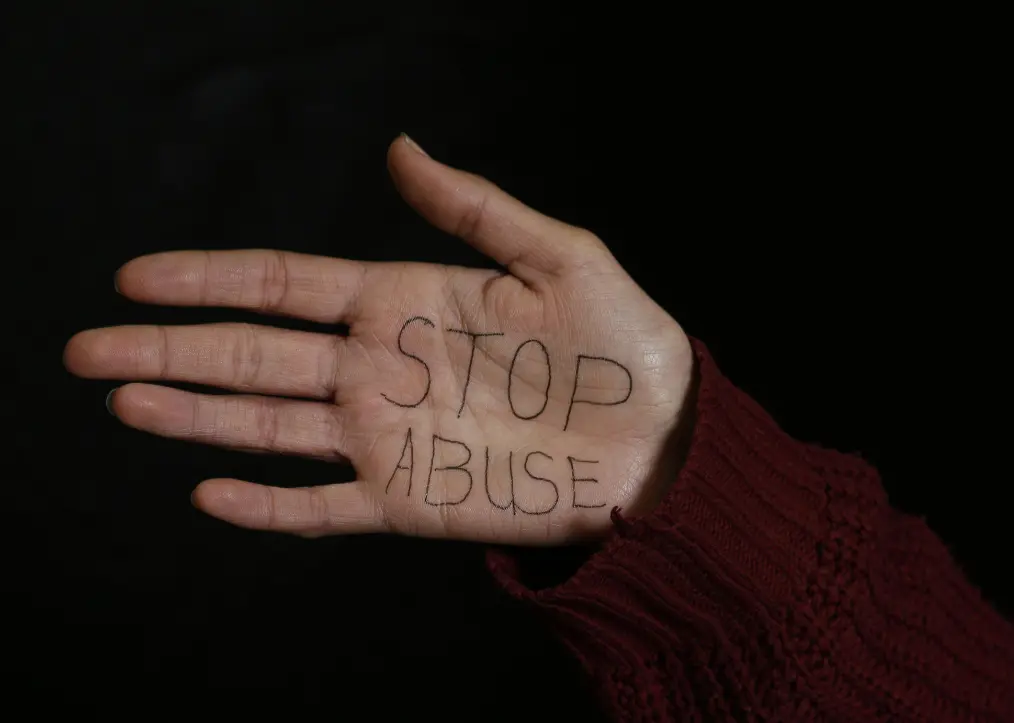
Child sexual abuse remains one of India’s most critical yet under-addressed social crises. Boys and girls alike face violations across homes, schools, and neighborhoods—transgressions that are frequently normalized, silenced, or dismissed. Effective child sexual abuse prevention in India requires moving beyond basic awareness toward institutional reform, research-backed program design, and rigorous field implementation.
1. The Real Scope of the Crisis
Prevalence Across Demographics: National surveys indicate that nearly 53% of children experience some form of sexual abuse before turning 18. Abuse spans all socioeconomic backgrounds, urban centers, and rural communities.
Gender Nuances & Silence: While girls statistically report higher rates of severe physical violations, boys are far less likely to report incidents due to deep-seated cultural stigma, fear of disbelief, and rigid notions of masculinity.
2. Societal and Systemic Barriers
Deep Cultural Taboos: Open conversations regarding bodily autonomy and reproductive health are often forbidden in Indian households, leaving children without the vocabulary to identify or report inappropriate behavior.
Victim Blaming & Fear: Child survivors are frequently blamed or shamed by family members seeking to protect societal reputation, compounding psychological trauma.
Institutional Gaps in Schools: Many educational institutions lack mandatory child protection policies, internal safety committees, or structured reporting protocols.
Implementation Challenges in Enforcement: While law enforcement officers are legally bound by child protection frameworks, many lack specialized trauma-informed training required to handle sensitive juvenile disclosures.
3. Navigating the Legal Framework: POCSO Act, 2012
The Protection of Children from Sexual Offences (POCSO) Act, 2012 provides a strong legal mandate designed to prioritize the child’s safety and well-being.
Mandatory Reporting: Under Section 19 of the POCSO Act, teachers, medical professionals, and institutional staff are legally obligated to report suspected child abuse to the Special Juvenile Police Unit (SJPU) or local police.
Operational Bottlenecks: Despite stringent legal penalties for non-reporting, fear of complex legal entanglements and harassment causes many institutional heads to handle cases internally rather than initiating formal police proceedings.
4. Actionable Pathways to Preventive Impact
To create scalable safety nets for children, organizations must implement multi-layered intervention models:
Age-Appropriate Bodily Autonomy Education: Roll out structured school curricula that teach children the difference between safe and unsafe touch, establishing clear personal boundaries without inducing fear.
Community-Based Safeguarding Committees: Train local Anganwadi workers, Panchayat leaders, parents, and youth volunteers to recognize warning signs of abuse and manage disclosures with care.
Trauma-Informed Survivor Support: Build accessible ecosystems offering specialized psychological counseling, free legal aid, and safe transitional housing for survivors.
Ethical Media Guidelines: Encourage responsible reporting that preserves survivor dignity, protects confidentiality, and avoids sensationalized coverage.
5. Ground Research and Program Design in Child Protection
Creating lasting safety mechanisms requires empirical data and context-specific research:
Baseline Need Assessments: Conducting localized field surveys helps identify high-risk zones, such as unsupervised transport routes or under-policed informal settlements.
Monitoring & Impact Evaluation: Measuring the efficacy of protection programs ensures that awareness campaigns result in measurable reporting increases and safer institutional environments.
Acknowledging Grassroots Champions: Mukhlasi
This exploration into child safety is inspired by the ground-level work of Mukhlasi, a Mumbai-based organization dedicated to preventing child sexual abuse and breaking the taboos surrounding personal safety. Unaddressed abuse inflicts lifelong trauma on children, shaping their emotional well-being well into adulthood.
Through structured prevention workshops for children, open dialogues with parents and caregivers, and community awareness programs in Mumbai, organizations like Mukhlasi prove that breaking the silence is the essential first step toward lasting child safety. Their commitment serves as a powerful reminder that prevention is a collective responsibility.
Looking to Design High-Impact Child Protection & Social Initiatives?
Translating complex social challenges into field-ready interventions requires rigorous data and strategic execution. ADOBRA helps non-profits, international donors, and foundations design, measure, and implement impactful social initiatives and baseline field research across India. [Contact ADOBRA today] to strengthen your project design and research capabilities.