

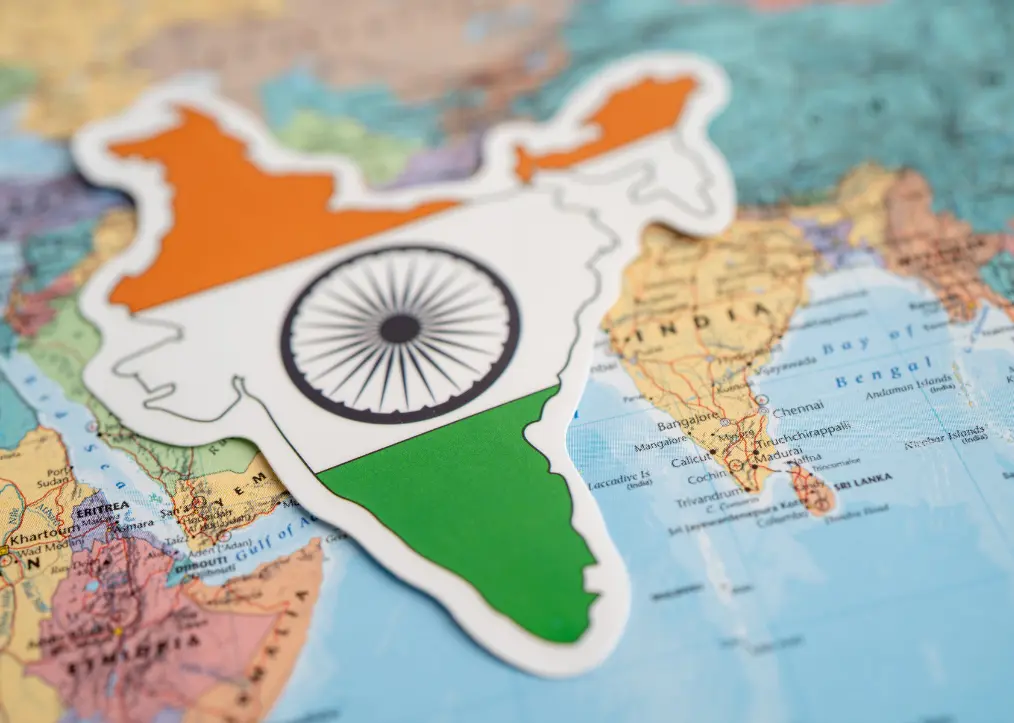
India’s social sector offers unprecedented scale and transformative opportunities. However, managing an international NGO expansion to India without deep local context and legal grounding can lead to costly missteps. Success requires balancing high-level global strategy with ground-level Indian realities.
Key Considerations for International NGO Expansion to India
1. Navigating India’s Cultural and Social Mosaic
Linguistic & Cultural Diversity: Dozens of languages, regional customs, and localized belief systems directly shape how communities interact with social programs.
Caste & Social Dynamics: Intersecting power structures can either accelerate or obstruct program entry; navigating them requires nuanced community diplomacy.
The Urban–Rural Divide: Operational realities, digital infrastructure, and supply chains vary drastically, even across neighboring districts within the same state.
2. Critical Operational Considerations for Foreign Entities
Strict Legal & Regulatory Compliance: Compliance is mandatory. Foreign entities must navigate stringent Foreign Contribution Regulation Act (FCRA) rules, state-specific approvals, and rigorous periodic audits to maintain operational legality.
Vetted Local Partnerships: Because foreign sub-granting under FCRA is heavily restricted, partnering with credible, compliant grassroots organizations is crucial. Local partners serve as essential cultural guides and field implementers.
Adaptive Program Design: Field frameworks must flex around seasonal disruptions (monsoons, agricultural cycles), regional festivals, and evolving policy landscapes.
Ethical Community Engagement: Prioritize informed consent, local data privacy, and survivor-centered frameworks when delivering sensitive social programs.
3. Building Scalable, Lasting Impact
Start Small, Scale Smart: Validate program assumptions through localized pilot interventions before deploying capital at scale.
Invest in Local Capacity: True impact comes from strengthening the capabilities of community leaders and local institutions, rather than relying strictly on top-down international staffing.
Bi-Directional Knowledge Exchange: Foster mutual learning—blend international technical frameworks with local indigenous wisdom.
Day-One Exit Strategies: Design every program with a clear sustainability model that hands ownership back to the community.
4. Essential Steps for Foreign Entities Setting Up in India
Before deploying capital or launching field operations, international organizations must address four foundational setup pillars:
Selecting the Legal Entity: Determine whether to operate via a Liaison Office (for non-commercial coordination), a Branch/Project Office (for specific grant execution), or by registering an independent Section 8 non-profit subsidiary.
Securing FCRA Approvals: International funding must adhere strictly to Foreign Contribution Regulation Act (FCRA) provisions, including opening designated State Bank of India (SBI New Delhi Main Branch) accounts for foreign receipts.
Structuring Compliance Timelines: Establish clear audit trails for annual filings (Form FC-4), income tax returns, and statutory reporting under local state authorities.
Grassroots Partner Vetting: Implement robust financial auditing and background checks on local non-profit partners before finalizing sub-grant agreements or program execution contracts.
Navigating Expansion & Legal Entry into India?
Deciding between a Liaison Office, Branch Office, Project Office, or Section 8 Subsidiary can be complex for global foundations and INGOs. ADOBRA helps international organizations navigate structural setups, FCRA compliance, tax exemptions (12A & 80G), and local partnership due diligence. [Get in touch with our team] to discuss your India expansion strategy.